Table of Contents
Acne-prone skin reacts quickly to the wrong makeup, and the fear of new pimples often stops people from enjoying a smooth base. Many users want good coverage but worry that the foundation might clog their pores. This is where the idea of acne safe foundation and non-comedogenic makeup becomes helpful.
These terms describe products that do not block pores and do not support new breakouts. In this guide, you will learn what these labels truly mean and how you can check ingredients yourself instead of trusting marketing claims. You will also learn about the best acne safe foundation options for different skin types. From drugstore picks to full-coverage formulas, this guide will help you build a base routine that supports clearer skin.
What Makes a Foundation Acne Safe
Understanding Non-Comedogenic Labels
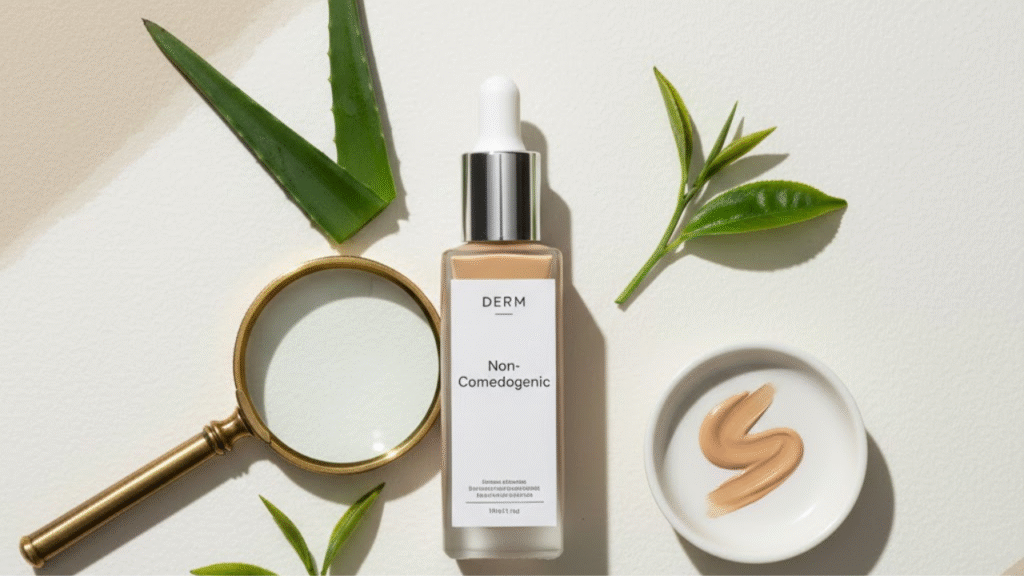
“Non-comedogenic” means a product is made to avoid clogging pores. Many brands use this label, but it does not offer a complete guarantee. Two products with the same label can behave very differently on the skin. This is why it is important to study ingredient lists and understand how certain ingredients behave. A non-comedogenic tag is a helpful start, but your final decision should depend on the formula inside the bottle.
Ingredients to Look For
- Some ingredients help calm breakouts while you wear makeup.
- Salicylic acid gently clears pores and supports reduced acne during the day.
- Hyaluronic acid adds hydration without adding oil or heaviness.
- Zinc oxide provides calmness and helps reduce redness while giving a soft finish.
- These ingredients give comfort and help your foundation sit better on acne-prone skin.
Pore-Clogging Ingredients to Avoid
- Some ingredients block pores and can trigger new breakouts.
- Isopropyl Myristate is heavy and often leads to clogged pores.
- Coconut oil feels rich but can create congestion on many skin types.
- Algae extract is known to trigger breakouts in acne-prone users.
- Lanolin creates buildup on the skin surface.
- D and C Red dyes are linked with irritation and small bumps.
- You can check your formula using online pore-clogging checker tools to stay safe.
Top Acne Safe Foundations for Every Skin Type
Best Overall Acne Safe Foundation
Products like NARS Soft Matte and Estée Lauder Double Wear offer strong coverage with a smooth finish. They stay in place for long hours and control shine without feeling too heavy. These formulas suit many skin types and help reduce the look of redness and blemishes.
Best Drugstore Acne Safe Foundation
Drugstore options like L’Oreal Infallible and Maybelline Fit Me give solid performance at a friendly price. They blend well and offer shades for many users. These formulas work well for everyday use and support a clean, natural base.
Best for Oily and Acne-Prone Skin
Users with oily skin need a matte finish that controls shine. Foundations made for oil control stay in place through the day and reduce the look of pores. These formulas prevent heavy buildup and lower the chance of clogged pores.
Best for Dry and Acne-Prone Skin
Dry skin needs more comfort because many acne treatments take away moisture. Hydrating formulas like IT Cosmetics CC Cream give smooth coverage and prevent flaky patches. These options help the skin stay soft while covering redness and marks.
Best Full Coverage Foundation for Scars
Full coverage formulas hide deep redness and older acne scars without feeling thick. These foundations spread evenly and offer strong pigment so the skin looks clear while staying comfortable.
Liquid vs. Powder: Which Is Better for Acne
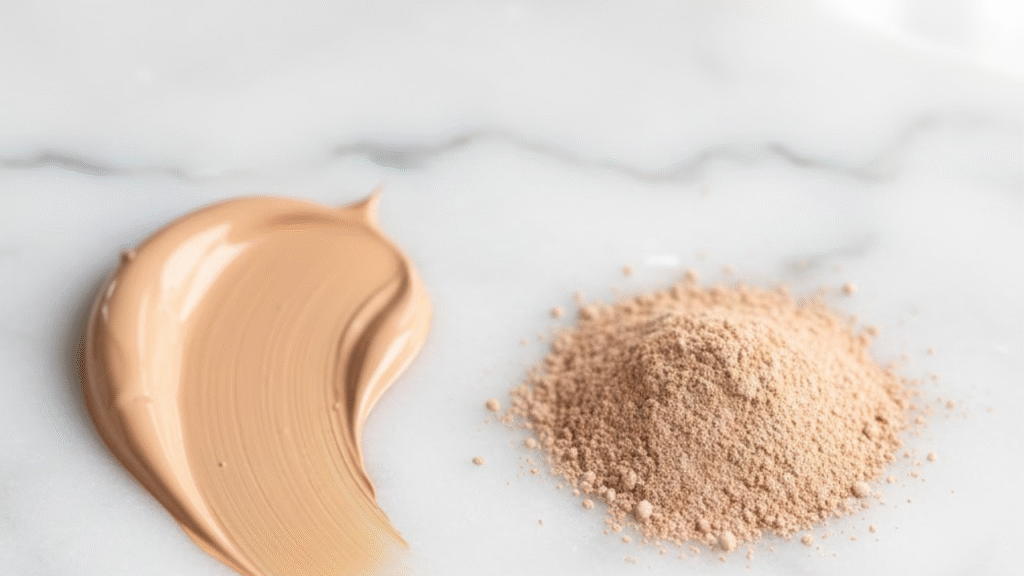
Liquid foundation works well for dry or treated skin because it spreads smoothly over dry areas. It should be oil-free to avoid buildup. Powder foundation works well for oily skin types that need shine control. Mineral powders like BareMinerals sit lightly on the skin and help reduce irritation. Both options work well if chosen according to skin type.
How to Apply Foundation Without Causing Breakouts
- Step 1: Skin should be clean and moisturized before applying makeup.
- Step 2: Use a clean brush or sponge, as dirty tools can spread bacteria and trigger acne.
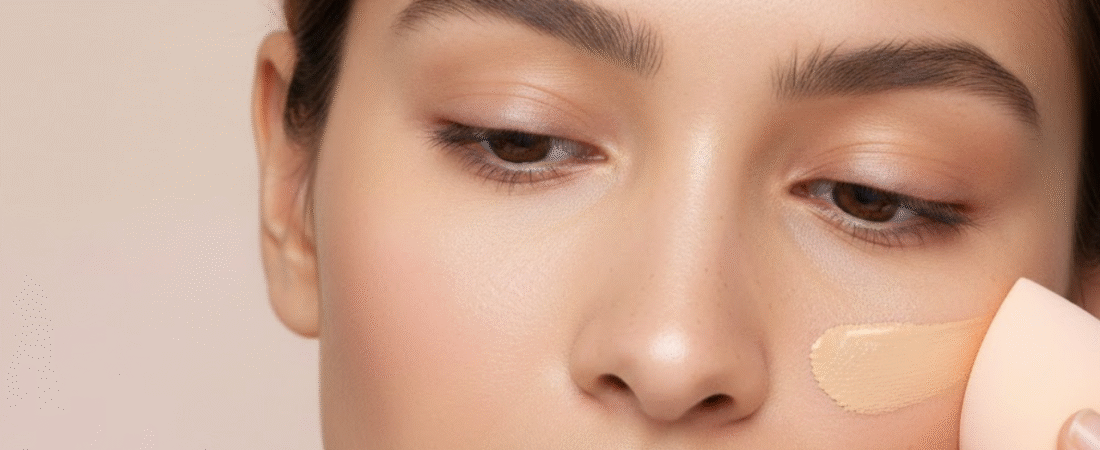
- Step 3: Use the spot conceal method. Apply small amounts only where needed instead of putting a heavy layer on the full face.
How to Remove Makeup to Prevent Acne
Makeup should come off completely at night. Double cleansing helps remove all layers. Start with an oil cleanser to melt foundation. Follow with a water-based cleanser to wash away residue. This method keeps pores clean and reduces breakouts over time.
People also asked
Can wearing foundation every day cause acne?
Foundation can cause breakouts if the formula clogs pores or is not properly removed. A clean routine helps prevent this problem.
Is BB cream better than foundation for acne?
BB creams feel lighter, but they can still clog pores. The formula matters more than the product type.
How do I know if my foundation is clogging my pores?
If you notice small bumps, blackheads or increased congestion after using a product, it may be clogging your pores.
Conclusion
The right acne safe foundation supports clear skin and gives smooth coverage at the same time. Focus on helpful ingredients, avoid pore-clogging ones, and keep your tools clean. A simple routine can reduce breakouts and support healthier skin. Share your favorite acne safe foundation in the comments.